
SURFACE PREPARATION
 

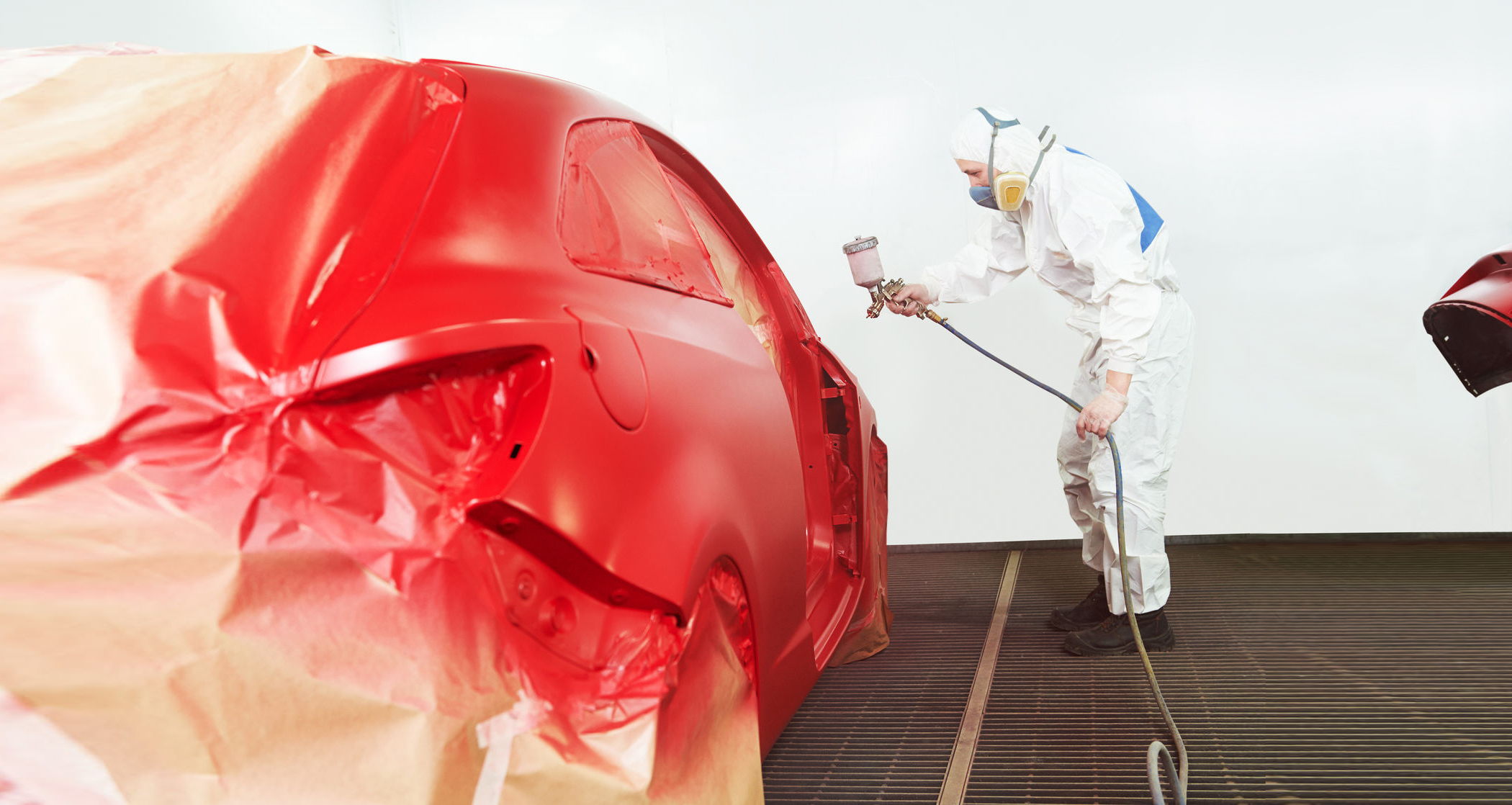
This is the foundation of the entire paint system. It is very important factor as the appearance, life, and performance of the paint or other coatings applied to any surface is directly affected by the condition of the substrate at the time you paint. Future problems can be minimized if surface preparation is done properly, and your paint will have better adhesion to your surface, thereby preventing your paint from easily peeling off or cracking. More time should be given to surface preparation than in actual painting.

Before the start of the painting or varnishing work.
The painting contractor shall prepare, paint or varnish a 4' x 4' area designated by the Architect or Engineer and the same is used as standard workmanship for the entire work. Samples shall be made on surface preparation, primers, and strains, fillers and finish coat applications.

Please observe the following guidelines when preparing a surface painting:

Using any of the following equipment - a broom, brush, chisel, scraper, sandpaper, or steel wool, clean off any excess dirt, dust, rust, or old paint from your surface. For stubborn "hard-to-remove" substances like grease, strains, or chewing gum, use power equipment (e.g. paint strippers). These excess substances promote peeling of your paint.

Use sandpaper or sandblaster to abrade/roughen your surface. These abrasions will create ridges to provide an "anchor" for your paint.

Repair voids, cracks, nicks, etc. on your surface with the proper patching materials. Use the proper primers before painting with the topcoat.

Avoid painting during extreme weather conditions and allow plenty of of ventilation during the application and drying period.

Remember to remove all unnecessary equipment/tools from the surface.

ALUMINUM

Remove corrosion by wire brushing; use steam/solvent oil, grease and other foreign matter. For best adhesion, see Hudson or Anzahl Wash primer product info.

ASBESTOS CEMENT BOARD

Use a stiff brush to remove dirt, dust & other foreign matter. After surface is cleaned, apply Hudson Masonry Neutralizes #44.

BRASS, BRONZE, COPPER, LEAD
Remove dirt, chemical rust, or other contaminants with a combination of water and detergent or solvents. Allow the metal to dry and remove oxides by using power tools or sandpaper. For best adhesion, see product information of Hudson or Anzahl Wash Primer on this site.

BRICK-EXTERIOR OR INTERIOR

Remove dirt, dust, and loose mortar by wire brushing, stream cleaning or by rinsing with water. Allow surface to dry.

CHISELED, SANDBLAST & RUBBLE WORK
(Pebbles-washout)
Surfaces should be clean, dust-free and thoroughly dry before paint application.

CONCRETE-EXTERIOR & INTERIOR
(Poured, Plastered, Stucco, Hollow Blocks)
New Surface
Surface to be painted should be clean and dry, free from oil, grease, dust, dirt, contaminants and all loose grit or mortar. Treat with Hudson Masonary Neutralizer #44 with equal amount of water, then apply liberally by brush and let dry overnight before rinsing with water to remove white crystals that formed on the surface. let surface to dry.
Old Surface
Remove scaling, flaking, blistering and peeling paint using paint remover, wire brushing, scraping or water blasting. Let surface to dry. For chalky old paint, use Hudson Masonry Surface Conditioner #304 as primer. In case of mildew infestation, treat with Hudson Fungicidal Wash Solution by scraping or brushing. to ensure adequate treatment, leave on for twenty-four (24) hours. Brush off and rinse with water. Let surface to dry.

GALVANIZED IRON

Clean thoroughly to remove dust & foreign matter; remove oil or grease using Excel Lacquer Thinner. Weathered surfaces showing thin films of rust should be sanded or wire-brushed. Hudson Rust Converter #5015 should be used for rust films that can not be removed by wire rush. Clean and dry surface. Immediately apply Hudson Metal Primers. Do not allow newly cleaned off to be exposed to the weather as rust will rest in again. for best adhesion, see product information of Hudson or Anzahl Wash Primer on this manual.

METAL

The most ideal preparation for rusty metal is white metal blasting, done by sandblasting or power grinding. This will remove all visible rust, mill scale, old paint, dust, oil, grease, & contaminants, leaving the metal uniformly white or gray in appearance. This is done where maximum performance of protective coating is necessary, e.g., constant immersion in water or liquid chemicals. Thin films of rust may be removed with Hudson Metal Etching Solution, after rust has been cleared, do not allow exposure to weather, wash with water and upon drying of surface immediately use any of the Hudson Metal Primers.

WOOD

Exterior
Wood surface should be clean & dry. Sand to remove roughness and then brush off dust. Apply a coat of Hudson Flatwall Enamel #600 as primer. Apply Hudson Silver Finish Aluminum Paint #50 over unwanted stains from preservatives. Counter-sink nail heads (rust-free) before applying primer. Putty small openings or minor surface defects with Hudson Permalux Glazing Putty #311.
Interior
Sand to smooth surface & then dust off. Correct minor surface imperfections. Apply applicable putties after first coat is dry. Sand lightly between coats.

Copyright © 2002 Century Chemical Corporation. All rights reserved.
Website developed and hosted by WebFocus Solutions, Inc.